Know About Cleveland?
Read on for sources, facts and impacts of lead poisoning on Cleveland’s children.
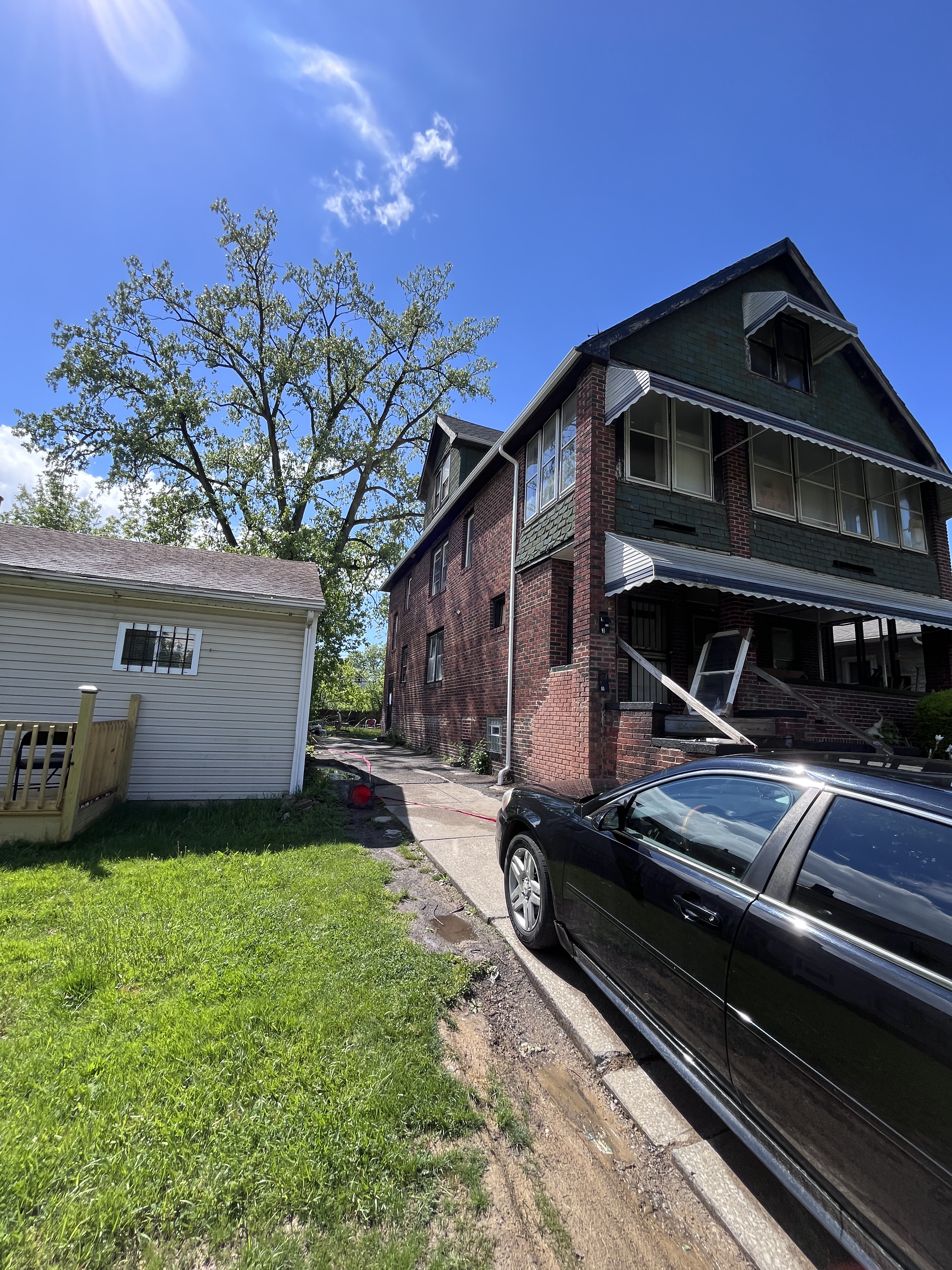
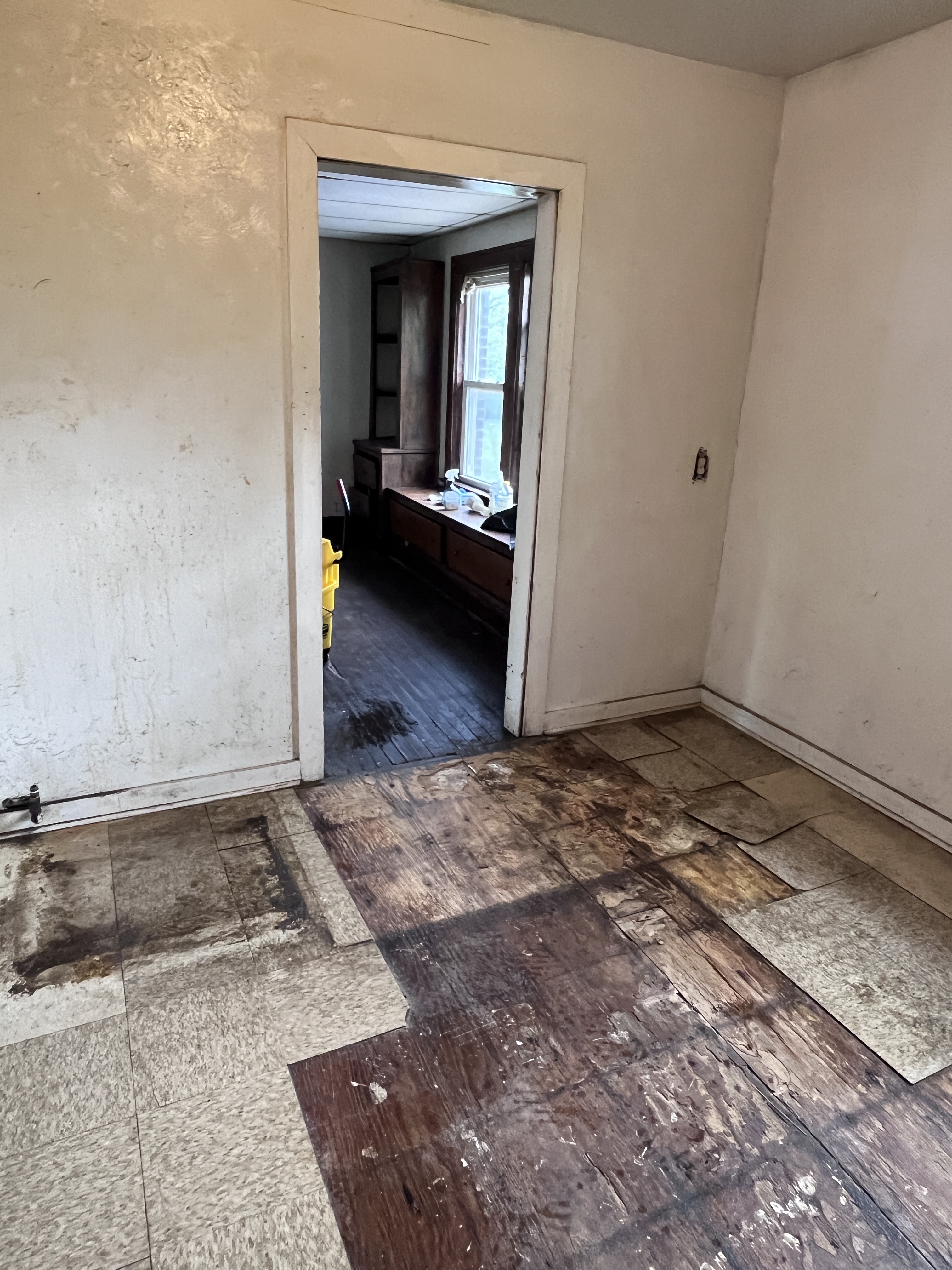
More than 97% of Cleveland’s homes were built before 1976 and, therefore, likely contain lead paint, which was banned from sale in 1978.
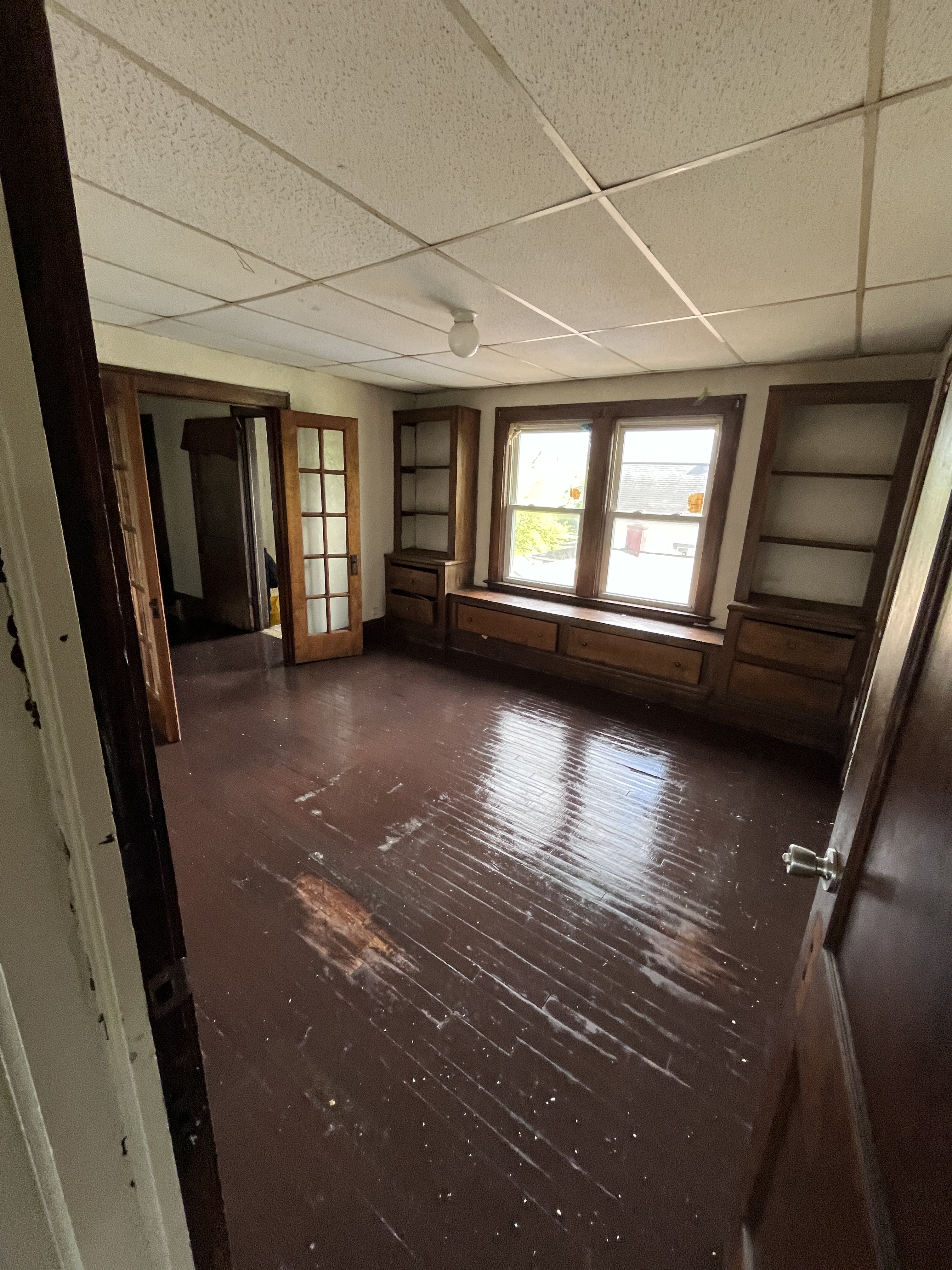
Almost 94% of Cleveland kindergarteners screened for lead had a detectable amount of the toxin in their blood.
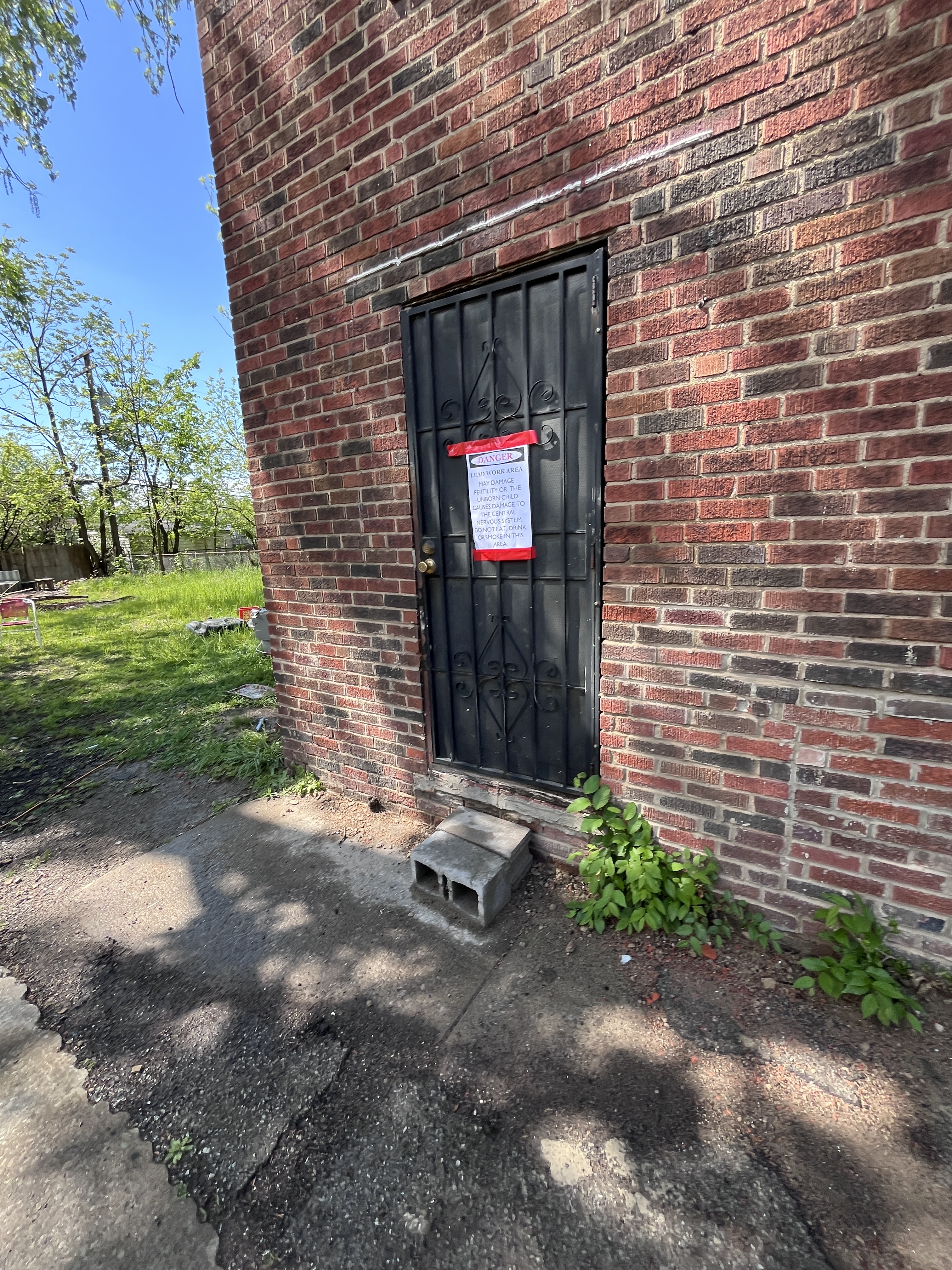
By a conservative estimate, the decrease in intelligence attributable to each 1 μg/dl increase in blood lead level is 0.25 IQ points, and the decrement in lifetime economic productivity associated with each lost IQ point is 2.4%.
When exposure to lead is widespread in a society, the aggregate loss of intelligence (and thus of economic productivity) can be substantial. Sulkever 1995
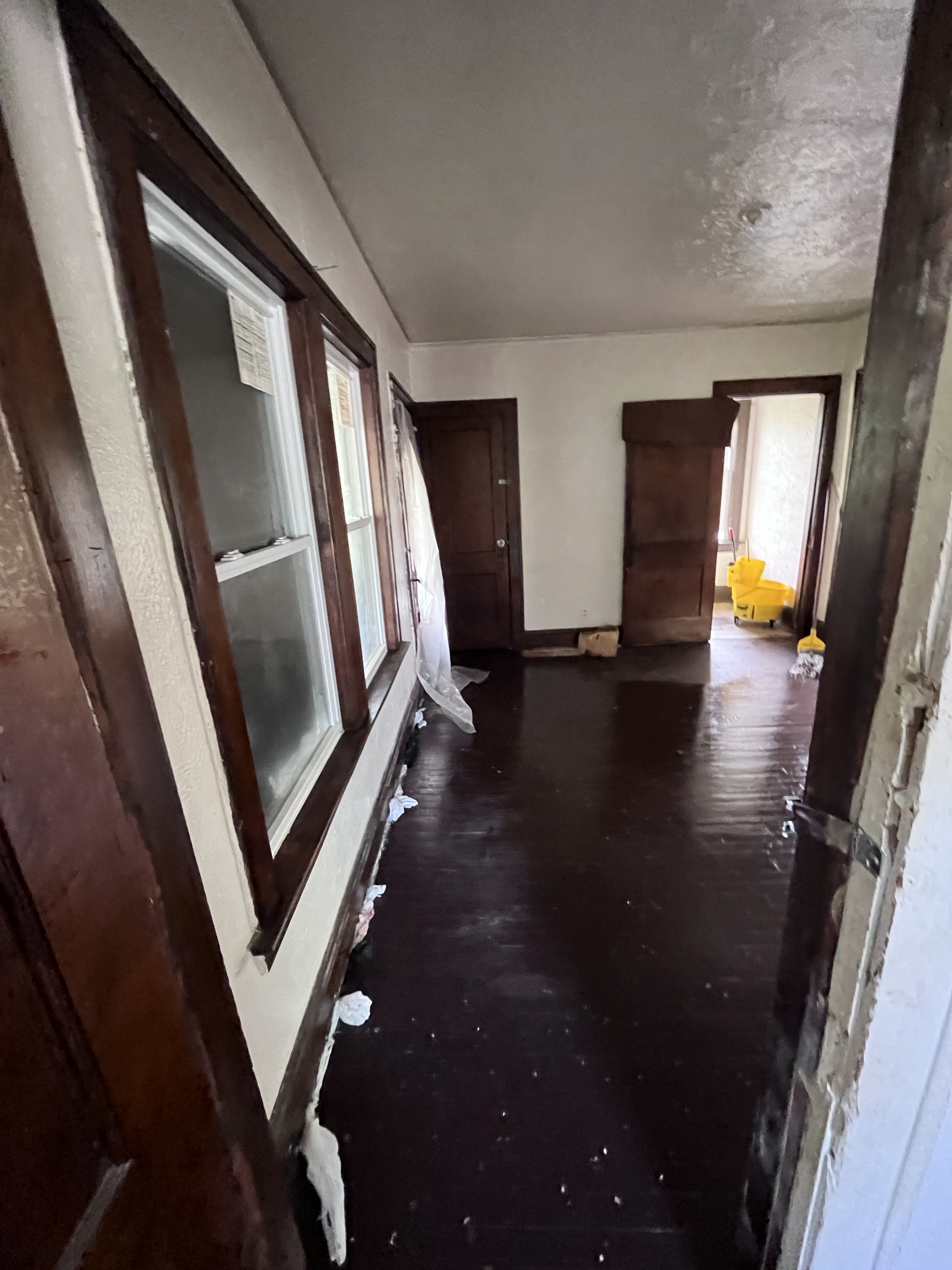
Cleveland’s government has a backlog of ~3000 incomplete and uninvestigated lead poisoning cases stretching back to 2003.

25.7% of the kindergarteners enrolled in 2014-2017 had a level of lead in their blood that the CDC says warrants a public heath response.

“2 out of 3 Clevelanders are functionally illiterate.
So what are we doing about it?”
Only one third of children who should be screened were tested.
 UNDIVIDED CLEVELAND